
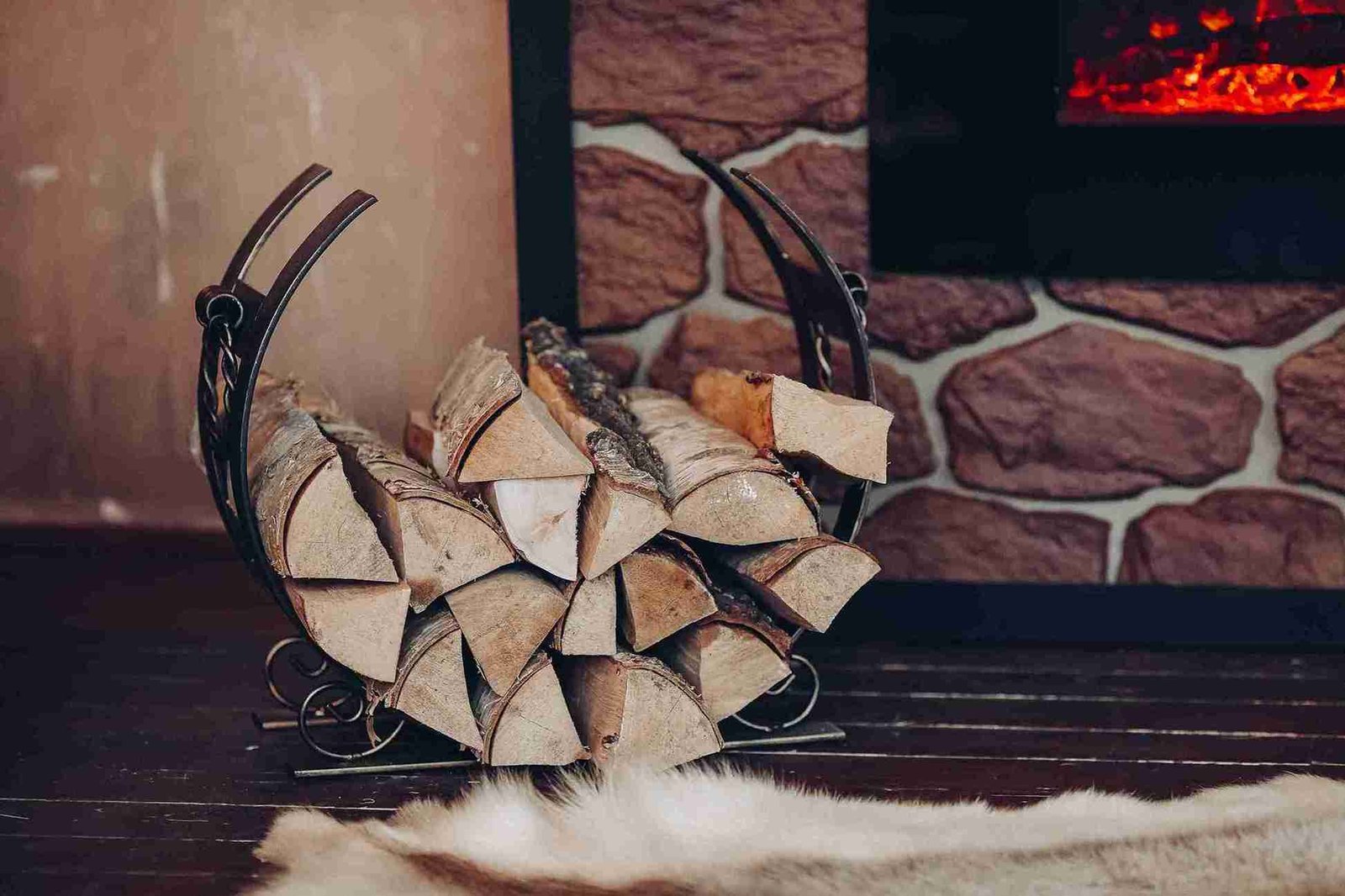
Heating a home with wood is a tradition that continues to serve many households today. It brings warmth, comfort, and a natural heat source during cold seasons. However, not every log burns the same way. Choosing the best firewood for heating can make a huge difference in how efficiently your fireplace or wood stove works.
Good firewood burns longer. It produces steady heat and less smoke. Poor firewood, on the other hand, burns quickly and creates creosote buildup in chimneys. This guide explains how to identify quality firewood, understand different wood varieties, and store it properly for maximum heat output.
Understanding the Importance of Firewood Quality
Many homeowners believe that any wood can be burned for heat. While technically true, the quality of firewood determines how effective the heating process will be. The best firewood for heating delivers consistent warmth, burns slowly, and produces minimal ash.
High-quality wood also improves indoor air quality. Wet or poorly seasoned wood releases more smoke and harmful particles. Dry, well-seasoned wood burns cleanly and keeps heating systems running efficiently.
When selecting firewood, moisture content, wood density, and seasoning time should always be considered.
Types of Firewood Used for Heating
Hardwood Firewood
Hardwood is widely considered the top choice for home heating. Dense hardwood logs burn slowly and release strong, long-lasting heat. This makes them ideal for cold climates where maintaining indoor warmth is important.
Common hardwood varieties include oak, maple, ash, and birch. These woods are dense and contain more energy per log. Because of this density, hardwood takes longer to ignite but burns much longer once it catches fire.
Softwood Firewood
Softwood trees grow faster and are easier to split. Pine, spruce, and fir are common examples. These woods ignite quickly and produce a strong flame, making them helpful when starting a fire.
However, softwood burns faster and produces more smoke. This means it needs to be replenished more often during heating. Understanding the difference between hardwood vs softwood firewood helps homeowners decide which type fits their heating needs.
Mixed Firewood Loads
Some households prefer a mixture of hardwood and softwood. Softwood logs help start the fire quickly, while hardwood keeps it burning longer. This combination creates balance and improves efficiency when heating a home.
Understanding the different types of firewood for burning helps homeowners choose the right supply before winter arrives.
Characteristics of the Best Firewood
Low Moisture Content
Moisture plays a critical role in how firewood burns. Freshly cut wood can contain up to 50 percent moisture. Burning this wood produces smoke rather than heat.
The best firewood for heating usually has a moisture level below 20 percent. Proper seasoning allows the wood to dry naturally, making it easier to ignite and more efficient for heating.
High Wood Density
Dense wood contains more energy. This means each log burns longer and produces stronger heat output. Hardwood species typically have higher density than softwood varieties.
Denser logs also create fewer sparks and less creosote buildup inside chimneys.
Proper Seasoning
Seasoned firewood is wood that has been dried for several months after cutting. Most hardwood logs require six to twelve months of drying time. During this period, the moisture slowly evaporates from the wood.
Seasoned logs often appear lighter in color and may develop small cracks at the ends. When two seasoned logs are knocked together, they produce a sharp sound rather than a dull thud.
Hardwood Versus Softwood for Heating Efficiency
Heat Output Comparison
The debate around hardwood vs softwood firewood often comes down to heat output. Hardwood produces more BTUs per log. This means fewer logs are needed to maintain warmth in a home.
Softwood burns faster but creates strong flames. This makes it useful during mild winter days or when quickly warming up a room.
Burn Time Differences
Hardwood burns longer because of its density. One hardwood log may last twice as long as a softwood log. For overnight heating, hardwood remains the preferred choice.
Softwood burns faster but works well as kindling when starting fires.
Smoke and Creosote Levels
Softwood contains more resin. This resin produces more smoke and can contribute to creosote buildup inside chimneys. Hardwood burns cleaner and produces less residue over time.
Popular Firewood Species for Home Heating
Oak
Oak is one of the most reliable heating woods. It burns slowly and produces consistent heat throughout the night. Oak logs require longer seasoning time but reward patience with excellent performance.
Maple
Maple offers strong heat output and burns evenly. It is easier to split than some other hardwood varieties and is widely used for residential heating.
Ash
Ash wood burns well even when slightly green, though seasoning still improves its performance. It ignites easily and produces steady warmth.
Birch
Birch is known for bright flames and pleasant aroma. While it burns slightly faster than oak, it still provides solid heat output.
These woods are commonly recognized among the types of firewood for burning that perform well in residential fireplaces and stoves.
Sustainable Firewood Sources
Responsible firewood harvesting protects forests and ensures long-term availability of natural resources. Many regions follow forestry guidelines to maintain environmental balance.
Organizations connected with forestry ontario promote sustainable harvesting and responsible forest management. Local suppliers often source materials from managed woodlots and certified forestry programs.
Some firewood providers specialize in ontario hardwoods, offering seasoned hardwood species that are suitable for residential heating systems.
How to Store Firewood Properly
Keep Wood Off the Ground
Stack firewood on pallets or raised platforms. This prevents moisture from the ground from entering the logs.
Allow Air Circulation
Proper airflow helps wood dry faster. Stacking logs loosely with small gaps between them improves ventilation.
Protect From Rain and Snow
Cover the top of the stack with a tarp or roof structure. Keep the sides open so air can circulate freely around the woodpile.
Store Wood Away From the House
Firewood piles can attract insects and rodents. Storing wood several feet away from the home reduces this risk while still keeping it accessible.
Signs of Poor Firewood Quality
Excessive Smoke
If firewood produces thick smoke, it likely contains too much moisture.
Hissing Sounds
Wet logs often hiss or bubble when burned. This is caused by moisture evaporating from the wood.
Heavy Weight
Freshly cut wood feels heavier because it still contains water.
Avoiding these signs helps ensure you always choose the best firewood for heating.
Conclusion
Selecting quality firewood plays a major role in home heating efficiency. The best firewood for heating burns slowly, produces steady warmth, and creates minimal smoke. Understanding the differences between hardwood and softwood, recognizing the most reliable species, and storing wood properly all contribute to better performance during winter months.
By learning about the various types of firewood for burning and comparing hardwood vs softwood firewood, homeowners can make informed choices that improve heating efficiency. With properly seasoned logs and responsible sourcing, wood heating remains a dependable and sustainable solution for keeping homes warm throughout the colder seasons.