
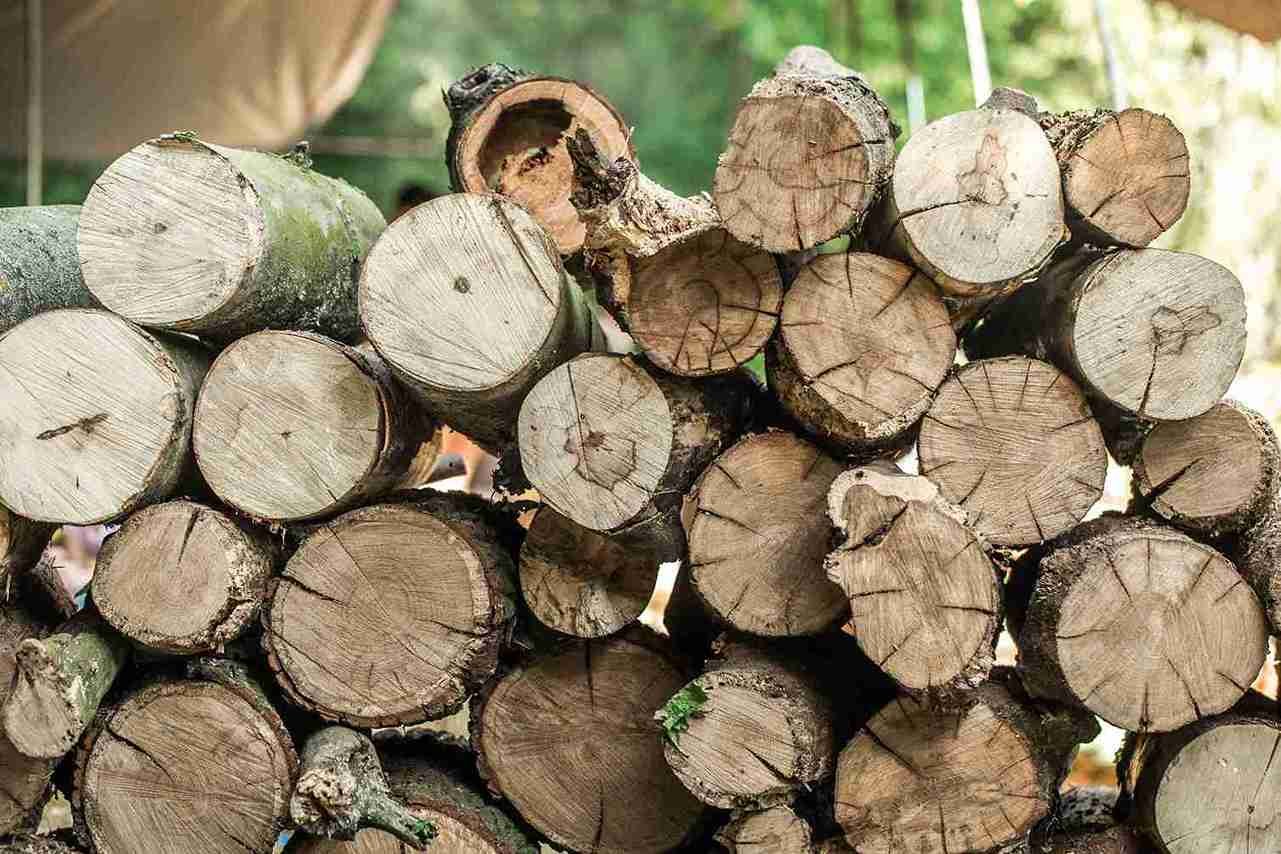
Choosing the right firewood matters more than most people realize. The type of wood you burn affects heat output, burn time, smoke levels, and even chimney maintenance. Many homeowners and outdoor enthusiasts often compare hardwood vs softwood firewood when deciding what to store for winter.
Both types of wood have their own advantages. Some burn hotter and longer. Others ignite quickly and are easier to split. Understanding the key differences helps you choose the best option for heating, camping, or fireplaces.
This guide explains the difference between hardwood and softwood firewood, how each performs, and which option works best for different situations.
What Is Hardwood Firewood
Hardwood comes from deciduous trees. These trees lose their leaves every fall. Their wood is dense and heavy because the trees grow slowly over many years.
Common hardwood firewood species include oak, maple, ash, birch, and beech. These woods contain tightly packed fibers. That density allows them to burn longer and produce steady heat.
Because of these qualities, hardwood is often preferred for home heating and wood stoves.
Characteristics of Hardwood
Hardwood firewood has several recognizable features.
Dense structure
High heat output
Longer burn time
Produces steady coals
These qualities make hardwood ideal for overnight fires or heating large spaces during cold months.
What Is Softwood Firewood
Softwood comes from conifer trees. These trees usually stay green all year and produce cones. Pine, spruce, cedar, and fir are common examples.
Softwood trees grow faster than hardwood trees. As a result, their wood structure is lighter and less dense. This changes the way the wood burns.
Softwood lights quickly and produces strong flames. However, it burns faster and may need to be replenished more often.
Characteristics of Softwood
Softwood firewood is known for several distinct traits.
Lightweight structure
Quick ignition
Faster burn rate
Higher resin content
These qualities make softwood great for kindling or starting fires.
Key Differences Between Hardwood and Softwood Firewood
Understanding the difference between hardwood and softwood firewood helps homeowners choose the right fuel source. Each type behaves differently when burned.
Density and Weight
Hardwood is heavier and more compact. This density allows it to burn slowly and produce long-lasting heat.
Softwood is lighter and less dense. It burns faster and creates shorter heat cycles.
Heat Output
One of the most noticeable differences in hardwood vs softwood firewood is heat production. Hardwood produces more heat per log. It creates a strong bed of coals that keeps a fire burning steadily.
Softwood produces good flames but less long-term heat.
Burn Duration
Hardwood logs burn slowly. This makes them ideal for heating homes overnight or maintaining warmth for long periods.
Softwood burns faster. It is better suited for quick fires, outdoor gatherings, or starting a fire before adding hardwood logs.
Smoke and Creosote
Softwood often contains more sap and resin. When burned in large amounts, it can produce more smoke and creosote buildup inside chimneys.
Hardwood tends to burn cleaner when properly seasoned. This reduces chimney buildup and improves efficiency.
Hardwood vs Softwood for Heating
When discussing hardwood vs softwood for heating, most homeowners prefer hardwood. Its slow burn and high energy output make it efficient for wood stoves and fireplaces.
Hardwood provides consistent warmth and requires fewer logs throughout the night. It also forms strong coals that continue producing heat even after flames fade.
Softwood still plays an important role in heating systems. Many people use it as kindling or to quickly start a fire before adding hardwood logs. This combination creates a balanced and efficient fire.
Common Hardwood Firewood Types
Oak
Oak is one of the most popular hardwood choices. It burns slowly and produces intense heat. Many households rely on oak during extremely cold winters.
Maple
Maple burns cleanly and produces steady warmth. It also creates less smoke compared to some other wood types.
Ash
Ash is known for easy splitting and consistent heat output. It burns well even with moderate seasoning.
Birch
Birch ignites quickly for a hardwood and produces bright flames along with reliable heat.
These species are often measured and sold in units such as a bush cord firewood, which helps buyers estimate how much wood they need for the winter season.
Common Softwood Firewood Types
Pine
Pine is easy to split and lights quickly. It is commonly used for kindling or campfires.
Spruce
Spruce burns fast and produces bright flames. It works well when quick heat is needed.
Fir
Fir offers moderate heat and a pleasant aroma. It is often used for fireplaces and outdoor fire pits.
Cedar
Cedar lights easily and burns with strong flames. It is excellent for fire starters due to its natural oils.
Seasoning Firewood for Better Burning
Regardless of the wood type, seasoning is essential. Freshly cut wood contains a high level of moisture. Burning wet wood produces smoke, reduces heat output, and increases creosote buildup.
Proper seasoning allows wood to dry naturally for several months.
Steps for seasoning firewood include:
Split logs into smaller pieces
Stack wood in a dry and ventilated area
Keep the stack elevated from the ground
Allow airflow between logs
Well-seasoned wood burns hotter and cleaner. This improves performance whether you use hardwood or softwood.
Environmental and Forestry Considerations
Sustainable forestry plays an important role in firewood production. Responsible harvesting ensures forests remain healthy for future generations.
Organizations connected with ontario forestry practices often promote proper forest management, selective cutting, and habitat protection. These efforts help maintain balanced ecosystems while providing renewable wood resources.
Using locally sourced firewood also reduces transportation emissions and supports regional forestry industries.
Choosing the Right Firewood for Your Needs
Selecting between hardwood and softwood depends on how you plan to use the firewood.
For home heating, hardwood is usually the better choice. Its dense structure and long burn time provide consistent warmth.
For quick fires, camping, or starting fireplaces, softwood works well because it ignites quickly and produces immediate flames.
Many households combine both options. Softwood starts the fire, while hardwood maintains long-lasting heat.
Understanding hardwood vs softwood firewood allows homeowners to make smarter decisions when buying or storing wood for the season.
Conclusion
The debate around hardwood vs softwood firewood often comes down to burn performance and heating needs. Hardwood burns longer, produces more heat, and creates lasting coals. Softwood lights quickly and is useful for starting fires or short burns.
By understanding the difference between hardwood and softwood firewood, homeowners can select the right type for fireplaces, wood stoves, or outdoor fires. When properly seasoned and sourced responsibly, both wood types can play an important role in efficient and sustainable heating.