
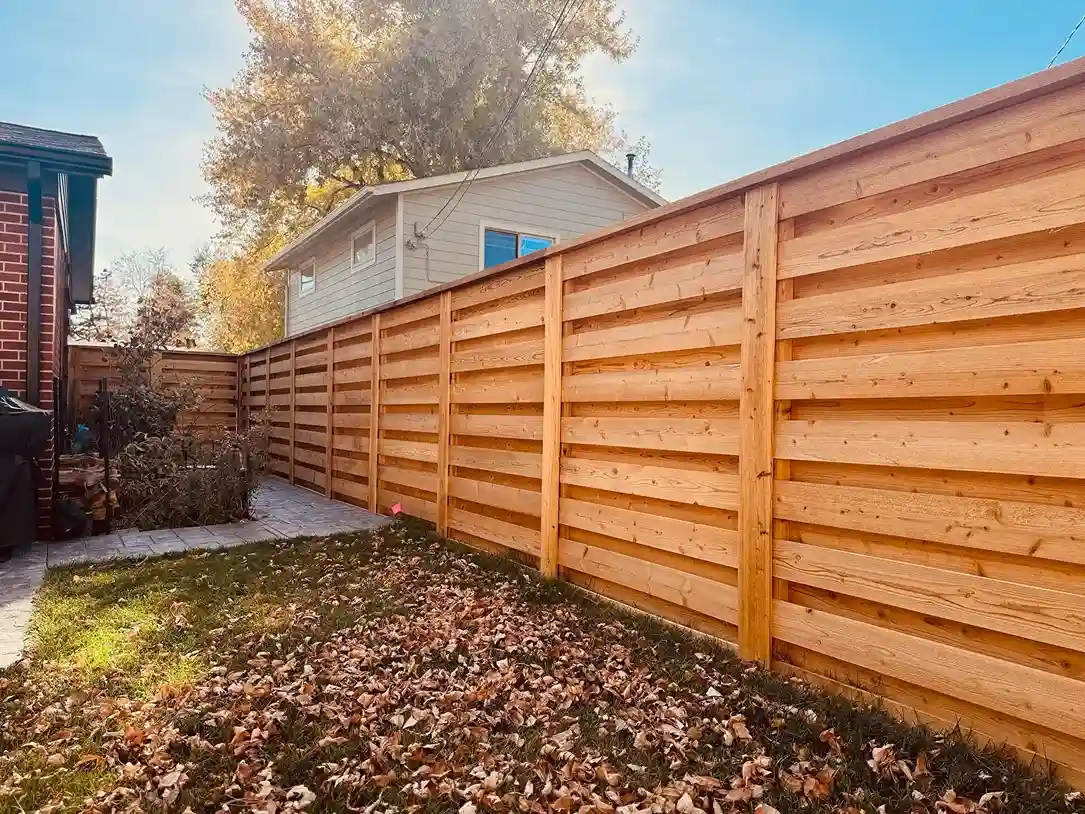
Choosing the right material for your fence is more than just aesthetics. It affects durability, maintenance, and the overall value of your property. Among all options, cedar has proven to be a top choice for homeowners and businesses alike. Its natural beauty, resilience, and versatility make it an ideal fencing material. This guide explores the many cedar wood fencing benefits, helping you understand why cedar stands out from other wood types.
From long-lasting durability to its natural resistance to decay, cedar provides a perfect balance of functionality and style. Whether you are building a small garden fence or a large perimeter fence, knowing the advantages of cedar can guide your decision.
Why Choose Cedar for Fencing
Natural Resistance to Decay and Pests
One of the main reasons people choose cedar for fencing is its natural ability to resist rot, decay, and insect damage. Cedar contains natural oils that act as preservatives, keeping the wood strong for decades. Unlike other woods that may require chemical treatments, cedar is naturally durable and environmentally friendly.
Lightweight and Easy to Work With
Cedar wood is lighter than most hardwoods, which makes installation simpler. Whether you are a DIY enthusiast or hiring a professional, cedar fencing material is easier to handle. This reduces labor costs and makes modifications or repairs easier to manage over time.
Aesthetic Appeal
Cedar offers a rich range of colors and textures. Over time, the wood can age gracefully into a silvery-gray patina if left untreated, or you can maintain its natural reddish-brown color with sealants and stains. The flexibility in design allows for custom patterns, making your fence not only functional but visually appealing.
Cedar Fence Advantages
Longevity and Durability
Cedar is highly valued for cedar fence durability. With proper care, it can last 20–30 years, much longer than pine or spruce. Its natural resistance to moisture, rot, and insects ensures the fence remains sturdy even in harsh weather conditions.
Minimal Maintenance Requirements
Compared to other wood types, cedar requires less maintenance. Occasional cleaning, staining, or sealing is usually sufficient to preserve its appearance and strength. This low-maintenance characteristic is one of the key cedar fence advantages, making it a cost-effective long-term investment.
Adaptability to Outdoor Environments
Cedar thrives in various climates, from humid regions to dry areas. Its stability reduces warping, cracking, and splitting, common issues with untreated wood. When used as cedar wood for outdoor fences, it performs exceptionally well under changing temperatures and weather conditions.
Cedar Wood Fencing Benefits
Health and Safety
Cedar’s natural oils not only protect the wood but also repel insects. This means fewer pests around your property, which is safer for families and pets. Additionally, cedar doesn’t release harmful chemicals, making it a healthier option than chemically treated woods.
Eco-Friendly Choice
Cedar is a renewable resource and often sourced responsibly. Using cedar contributes to sustainable forestry practices, especially when sourced from certified suppliers. For example, products like cedar post round from Forest Ontario follow responsible forestry management, ensuring your fence is both durable and environmentally conscious.
Customization Options
Cedar’s workability allows for different fence styles, heights, and patterns. You can choose picket, shadowbox, or horizontal slat designs without compromising durability. Its flexibility makes it an ideal choice for unique property designs and landscaping needs.
Comparing Cedar with Other Fencing Materials
Cedar vs. Pressure-Treated Pine
While pressure-treated pine is cheaper upfront, it lacks the natural beauty and long-term durability of cedar. Pine requires chemical treatments and frequent maintenance, whereas cedar naturally resists decay and pests.
Cedar vs. Vinyl
Vinyl fences are low-maintenance but often lack the charm and warmth of natural wood. Cedar provides a classic, timeless look while still offering strength and longevity.
Cedar vs. Metal Fences
Metal fences are durable but can be cold and industrial-looking. Cedar combines functionality with aesthetic appeal, creating a welcoming environment without sacrificing durability.
Maintaining Your Cedar Fence
Regular Cleaning
Remove debris, dirt, and mildew from the surface to maintain its appearance. Use a mild detergent and water, and rinse thoroughly.
Staining and Sealing
To preserve color and protect against moisture, apply a quality stain or sealant every 2–3 years. This helps retain its natural beauty and enhances cedar fence durability.
Inspect for Damage
Check for cracks, loose boards, or signs of insect activity. Early repairs prevent minor issues from becoming major problems, ensuring your fence lasts for decades.
Tips for Choosing Cedar Fencing Material
Source Quality Cedar
Look for clear-grade cedar with minimal knots. High-quality wood ensures strength and uniform appearance.
Consider Climate Conditions
Choose the right type of cedar based on your local weather. Western Red Cedar is widely popular due to its adaptability to various climates.
Plan Fence Design Carefully
Decide on the style, height, and spacing to match your property’s needs. Proper planning maximizes both aesthetics and functionality.
Conclusion
Cedar remains one of the most popular choices for fencing due to its natural durability, aesthetic appeal, and eco-friendliness. The cedar wood fencing benefits include long-lasting strength, minimal maintenance, and adaptability to outdoor environments. When you weigh why choose cedar for fencing against alternatives, its advantages in beauty, longevity, and sustainability are clear. From cedar fence durability to the flexibility of cedar fencing material, cedar offers an unmatched combination of style and performance. Investing in cedar ensures a fence that not only enhances your property’s appearance but also stands the test of time, creating a safe, attractive, and durable boundary for years to come.